






Read the Full Series
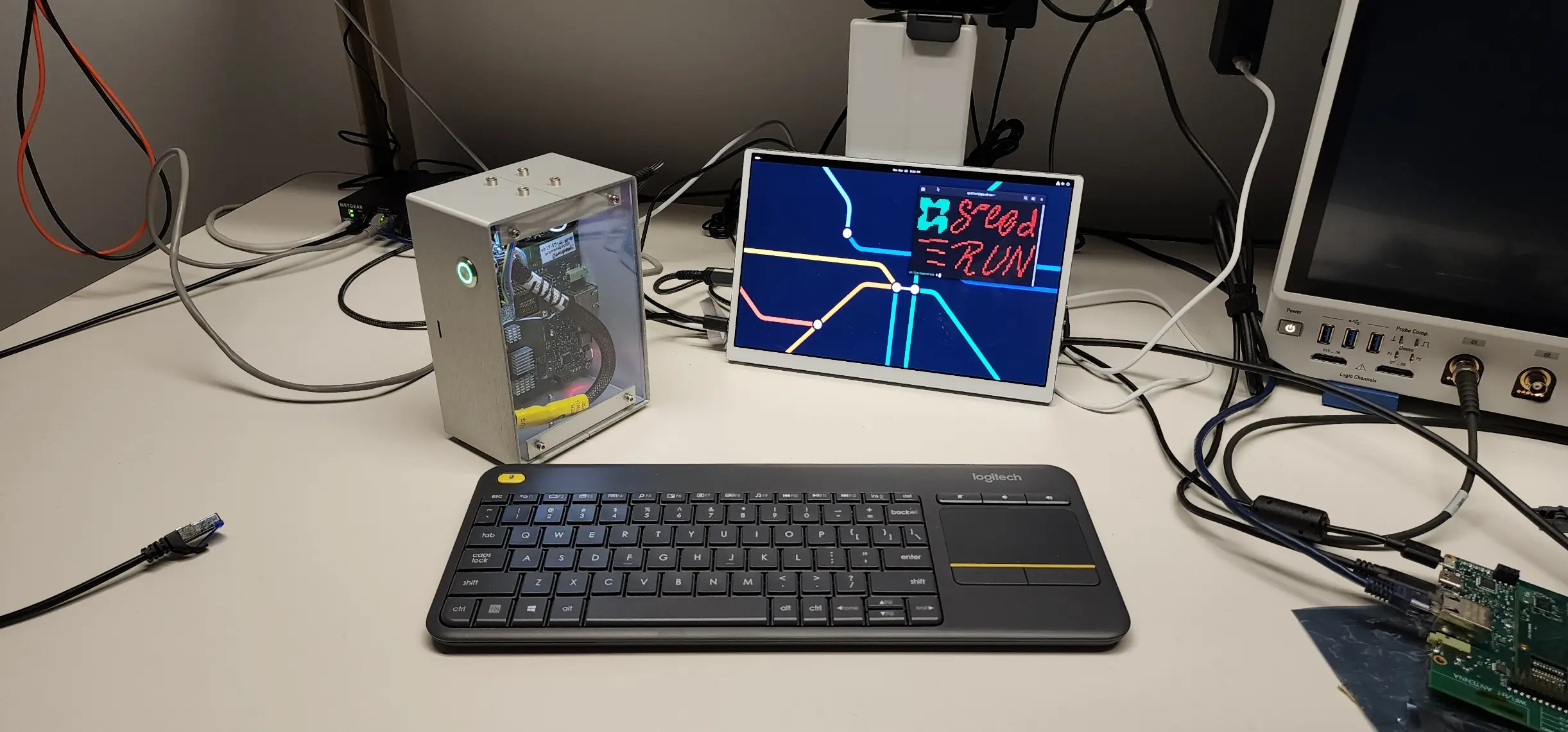
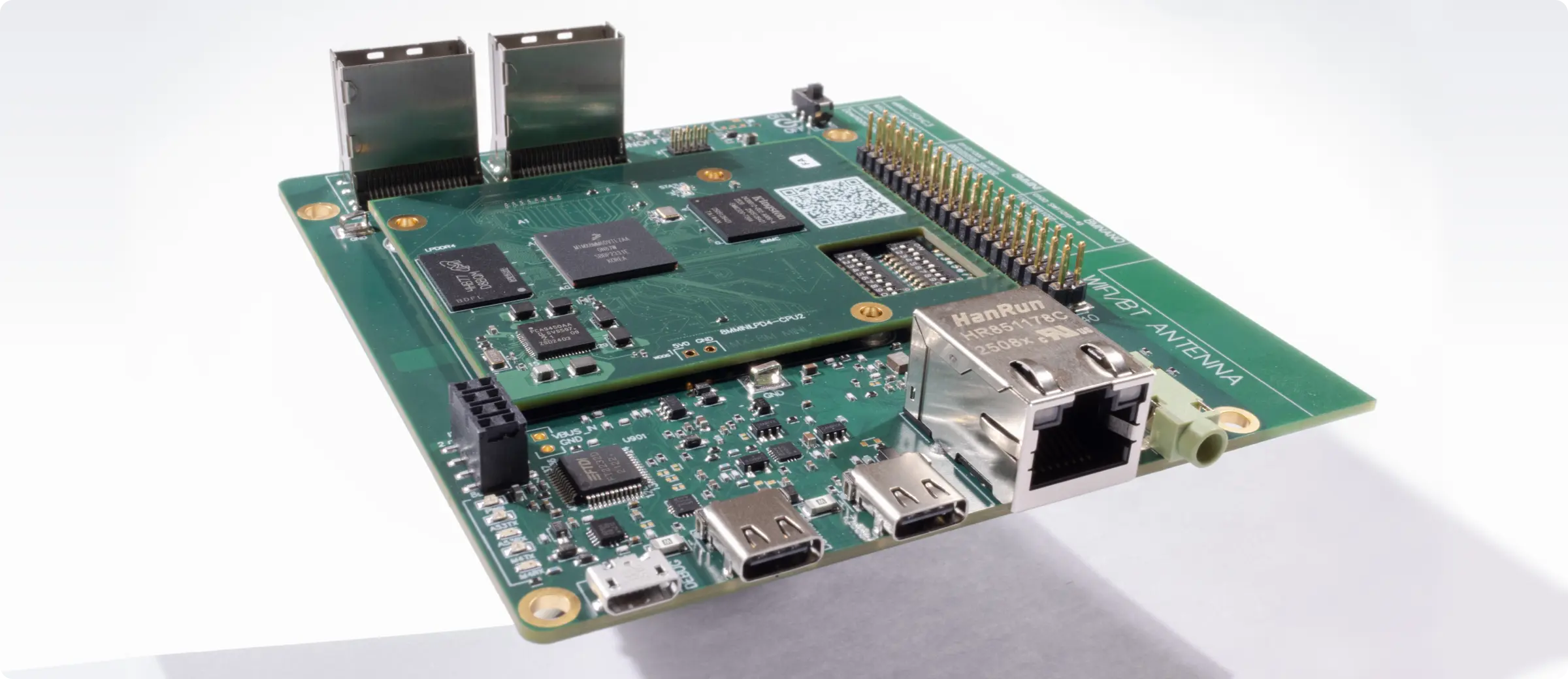
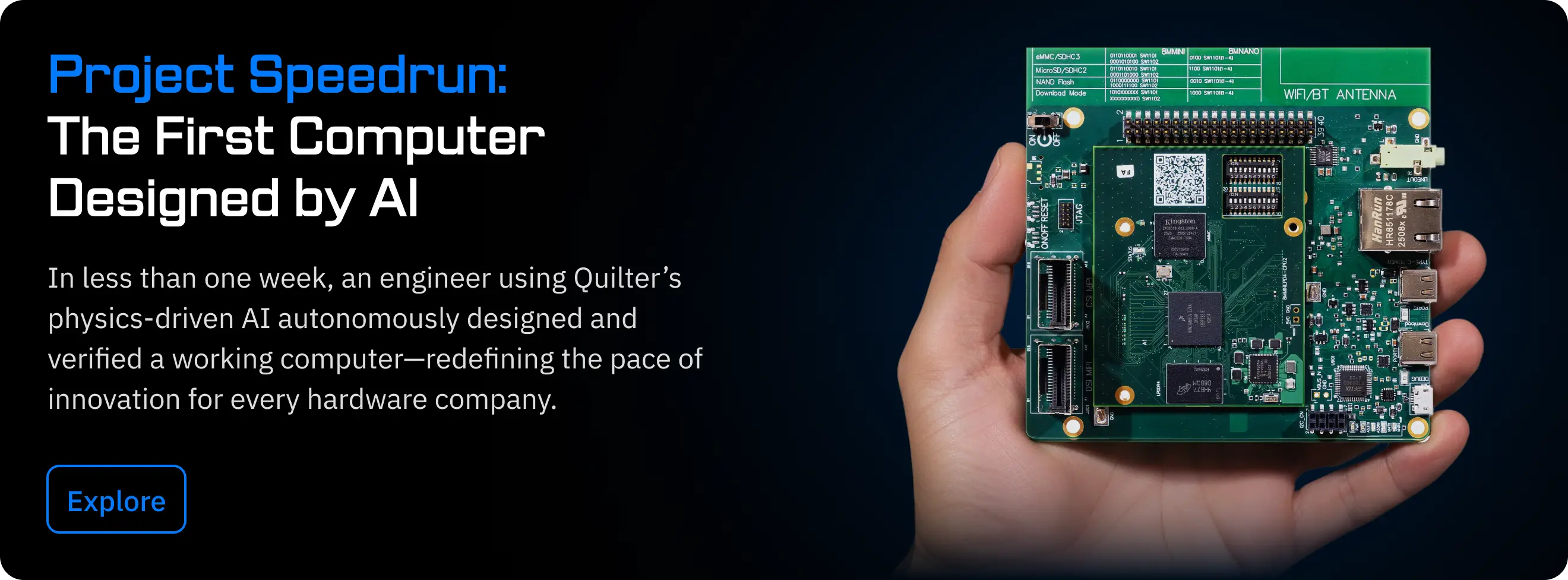
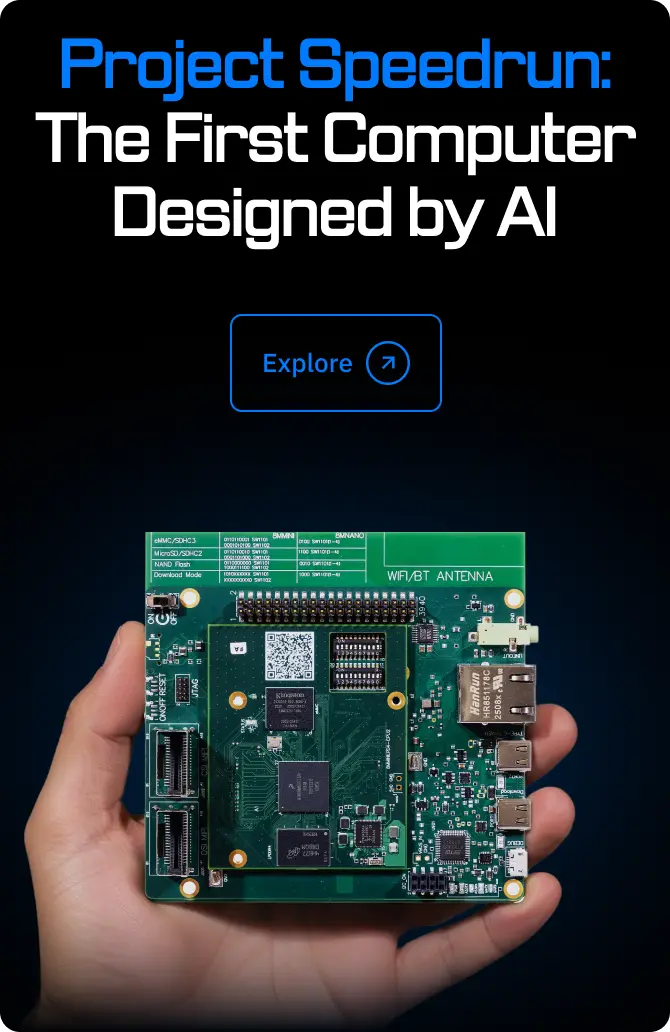
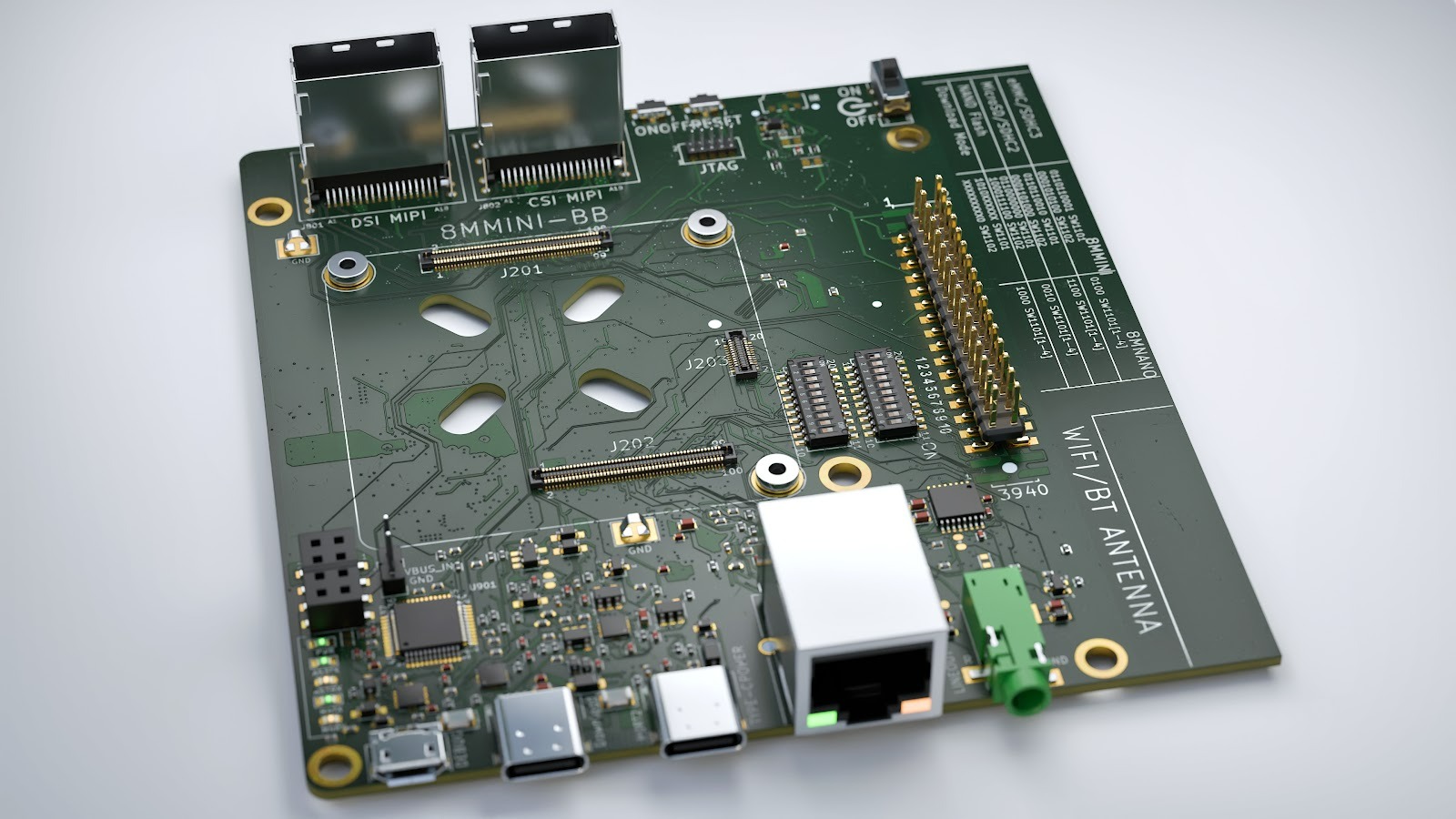
This article is one part of a walkthrough detailing how we recreated an NXP i.MX 8M Mini–based computer using Quilter’s physics-driven layout automation.
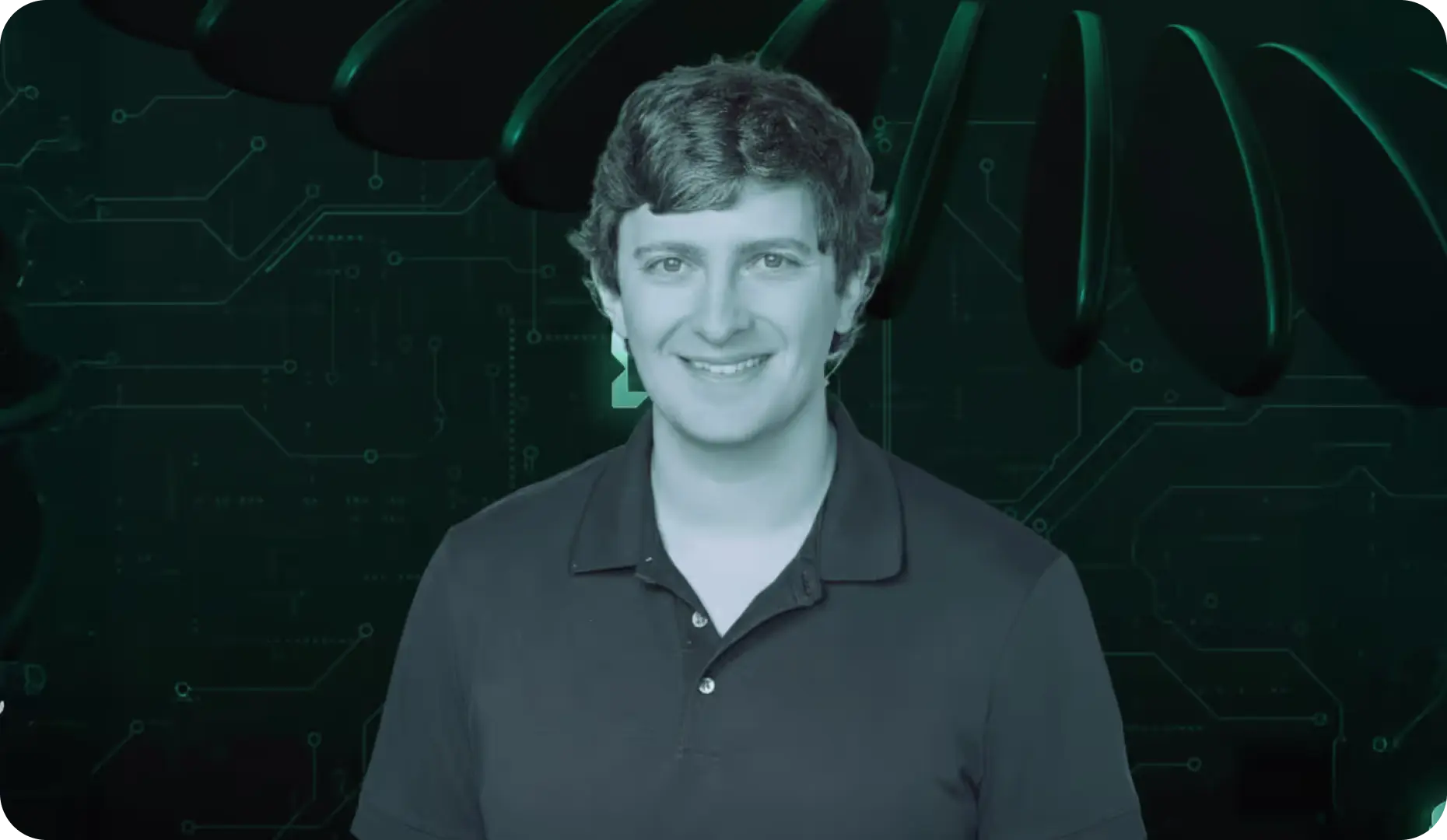
Fei’s engineering path is a study in curiosity and precision — a journey from nanotechnology and chip design to AI-driven hardware intelligence. A graduate of the University of Waterloo’s demanding Nanotechnology Engineering program, Fei’s fascination with faster, more elegant computing systems began with a simple frustration: “I suffered from using a really slow computer, and since then I’ve wanted to engineer faster computers.”
At Quilter, that lifelong pursuit of speed and elegance has found a new dimension. “Humans in the Loop” highlights the people who turn that drive into action — building not only the next generation of EDA tools, but the culture that makes such breakthroughs possible.
Origins
Fei’s formative years were shaped by a fascination with the unseen mechanics of computation. “I wanted to push the boundaries of technology,” he said, recalling his time in Waterloo’s cleanrooms, manufacturing MEMS devices. The nanotechnology program, as he describes “a mix of electrical, chemical, physics engineering,” offered Fei an environment to explore both the physical and algorithmic sides of innovation. That early exposure to interdisciplinary problem-solving became a foundation for everything that followed. “It was during that time when I became interested in electronics,” he said. “Actually, even way before that.”
Journeys in Engineering
After university, Fei joined Altera, diving into FPGA performance analysis — “software that analyzes the performance of the chips of the customer designs they put onto the FPGAs.” From there, Cadence became a proving ground. “At Cadence, I was working on capacitance extraction… analyzing ASIC designs,” he said. “It was the nanometer scale war trying to figure out who could make the smallest transistors.” As transistors shrank and complexity ballooned, Fei was drawn to the challenge of algorithmic scaling: “EDA software needed to catch up.”
Then came a leap to Amazon. “AI was growing popular. I got a call from Amazon about Alexa, and I decided to take it and see where it leads.” That decision took him through Alexa, robotics, mechatronics, and even space systems with Project Kuiper. But despite the range, something was missing. “It was hardcore engineering, but it wasn’t that algorithmic. I really enjoyed the heavy algorithmic part of the work I did in the EDA industry.”
Why Quilter
That missing piece, the creative, zero-to-one problem-solving, drew Fei to Quilter. “Amazon has a strategy called lift and shift,” he explained. “It takes an existing solution and scales it. It’s not taking something from zero to one. And I felt like I was missing that.” At Quilter, he found the opposite: “I get to think about what could be a really cool solution to this current problem… The status quo is unsatisfactory.” He lights up describing the frontier of AI-assisted PCB design: “I’m pretty excited about exploring higher dimensional solutions — very abstract, very math-heavy representations that make the solution more elegant and ultimately more solvable.”
That spirit of curiosity reawakened when he realized how uncharted PCB design remains. “I thought it was a solved problem. But I was totally wrong. PCB design is still unscientific… designed by rule of thumbs and gut feeling. What I thought was not a problem is very much a problem — and Quilter’s finally trying to address that.”
Beyond the Workbench
Outside work, Fei channels his inventive streak into 3D printing, “I’ve been a maniac printing random stuff,” he laughed. “First some fidget toys, then wind instruments like ocarinas, then more practical things like containers or shoe racks.”
His travels, especially in Taiwan, deepened his appreciation for subtlety in flavor and craft. “The emphasis there is on bringing out the innate natural flavor… not overpowering it with sauces and spices. It felt unique to that vegetable.”
A Line to Remember
“The first thing that came to mind was just — just do it. I’ve always believed anything is possible given enough time. Even faster-than-light travel — I think it’s possible given enough research. Crazy, but possible.”
Closing Note
Fei’s blend of rigor and imagination mirrors the spirit that drives Quilter’s mission to reimagine what’s possible in hardware design by refusing to accept “good enough” as a boundary. His story reminds us that innovation begins not at the finish line of optimization, but at the starting line of curiosity.