







Read the Full Series
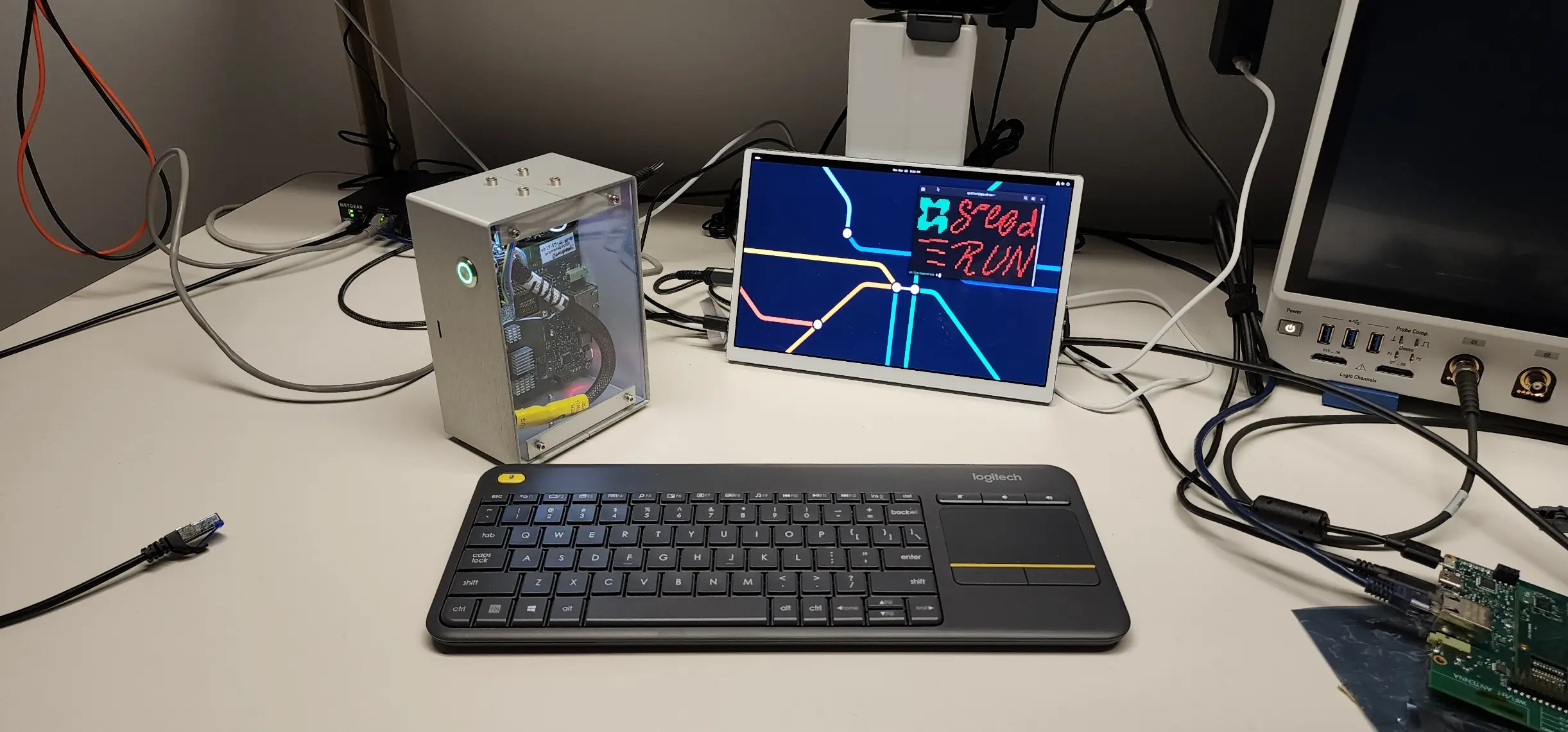
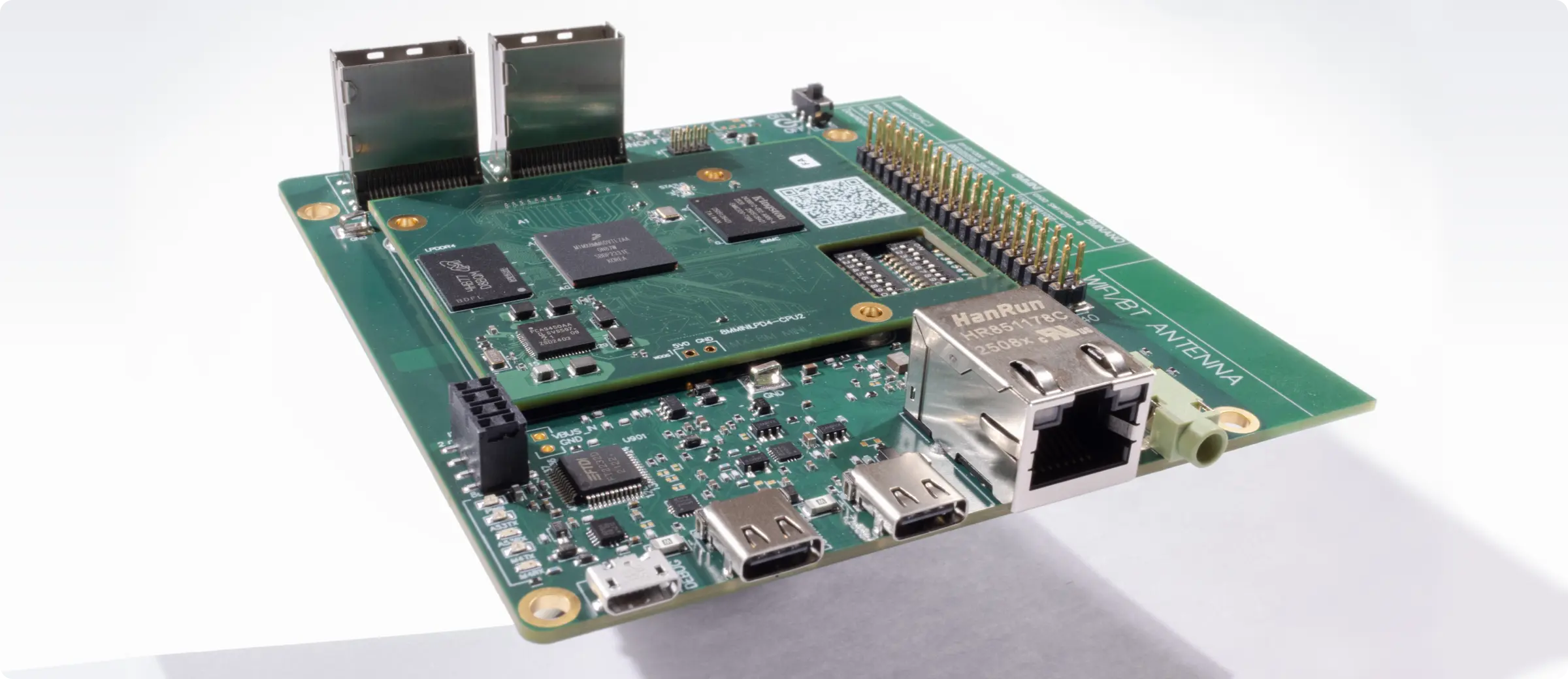
This article is one part of a walkthrough detailing how we recreated an NXP i.MX 8M Mini–based computer using Quilter’s physics-driven layout automation.
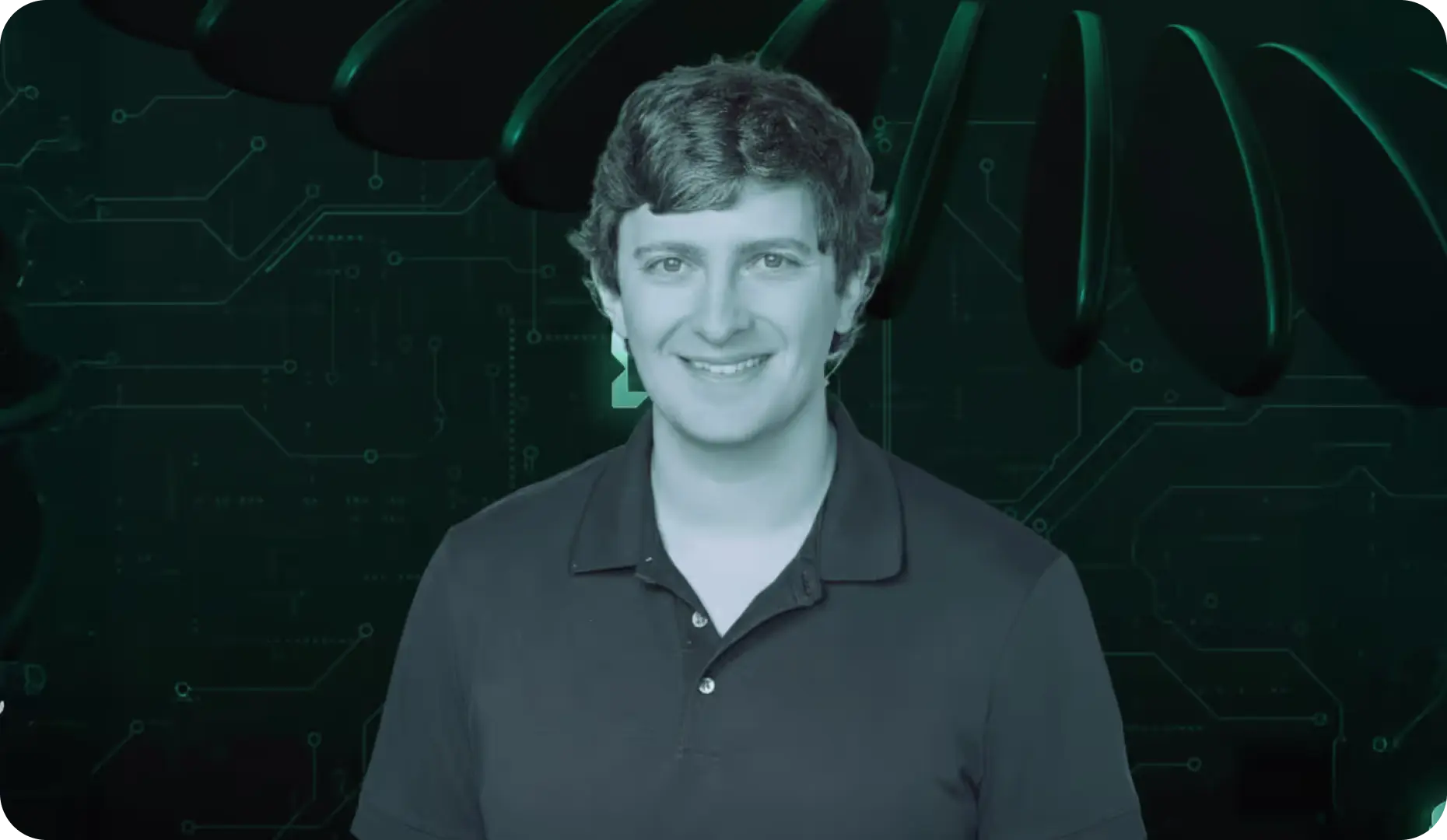
For Fayaz Rahman, curiosity and adaptability are the core of engineering. A computer science major currently completing a university exchange in Norway, Fayaz balances research in object detection and video recognition with his ongoing work at Quilter.ai. “I’ve been in Quilter for like more than a year now—year and a half,” he says.
“After joining the company, I had to learn C and JavaScript and do a bunch of work there. So I kind of consider myself really flexible and I am quick to learn things.” His story captures the spirit of Humans in the Loop: where new engineers grow by diving into complexity, learning fast, and building technology that matters.
Origins
Fayaz grew up in India, inspired early by his older brother, Fariz. “When I was growing up I would see Fariz do software stuff and I was inspired by him,” he recalls. “He made an OS-looking thing in Visual Basic and I’d be almost a designer, telling him what things should look like.” That early partnership seeded a lifelong curiosity about how things work and how software can shape experience.
The two brothers’ shared projects led Fayaz naturally into computer science. Now, he splits his time between his home university and research work in Norway, exploring “object detection, object tracking, video recognition, stuff like that,” through a collaboration that’s already led to published papers. “It’s just such an exciting problem,” he says, “because it’s like two worlds—electronics engineering and computer science—and we’re trying to automate that.”
Journeys in Engineering
Fayaz’s work at Quilter began with a referral from his brother, but it quickly became a proving ground for his adaptability. “If you put me in a situation where I don’t know stuff,” he says, “I can figure it out and make value out of it.” That ethos has carried him through complex problems in PCB routing—especially around the implementation of power pours.
“We’ve kind of implemented it as an afterthought after routing,” he explains. “It’s always difficult to add new things into the router. Especially because the router is very sequential… we attempt every pin one after the other, and we can’t do some sort of backtracking.” For Fayaz, that kind of constraint-driven challenge is part of the thrill: “If you allocate a lot of space for a pour, then there might not be enough space for other pins to route through. The order and the constraints are probably the most difficult thing that we’re looking at right now.”
Why Quilter?
When Fayaz first joined Quilter, what drew him wasn’t just the technology—it was the uniqueness of the mission. “I don’t know anyone else in the space that’s doing the work that we’re doing,” he says. “It just seemed super exciting to me.” Coming from a computer science background, he saw in Quilter’s approach to hardware automation a fusion of disciplines that mirrored his own research instincts.
Working across languages, frameworks, and technical layers, he’s learned how to turn theory into production software. “We’d end up hacking some feature on top,” he admits, “and it’ll always bite us at some point in the future.” But those cycles of iteration are how Fayaz has come to understand what robust engineering really requires: foresight, experimentation, and humility.
Beyond the Workbench
Outside of work, Fayaz keeps things grounded. “Since I’m at university, I used to be studying a lot as well when I’m not working,” he says with a laugh. “But yeah, like I train, go to the gym.” He’s also picked up reading recently and loves watching films—“favorites would be like, cliche, you know, Nolan stuff or Quentin Tarantino,” he says.
“Just the mainstream stuff, but I love them.” When asked about comfort food, his answer comes quickly: “There’s this dish called biryani… my mom cooks it really well. She’s such an expert at it. That would be my go-to.”
A Line to Remember
“Put me in a situation where I don’t know stuff—I can figure it out and make value out of it. That’s my greatest strength.”
Closing Note
Talking with Fayaz is a reminder that great engineering isn’t just about knowledge, it’s about confidence in one’s ability to learn. His blend of humility, curiosity, and speed of thought reflects the best of what Humans in the Loop stands for: a generation of builders who find excitement in the unknown.