






Read the Full Series
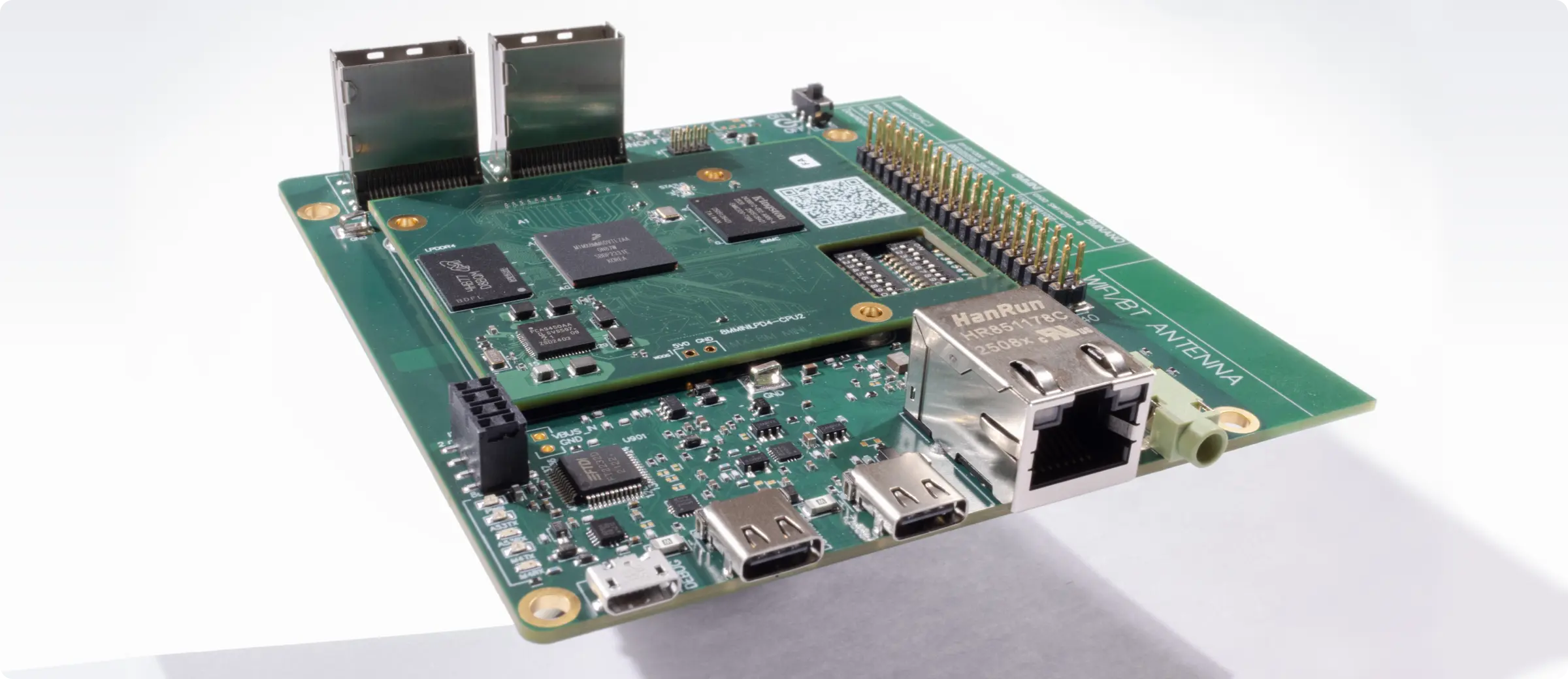
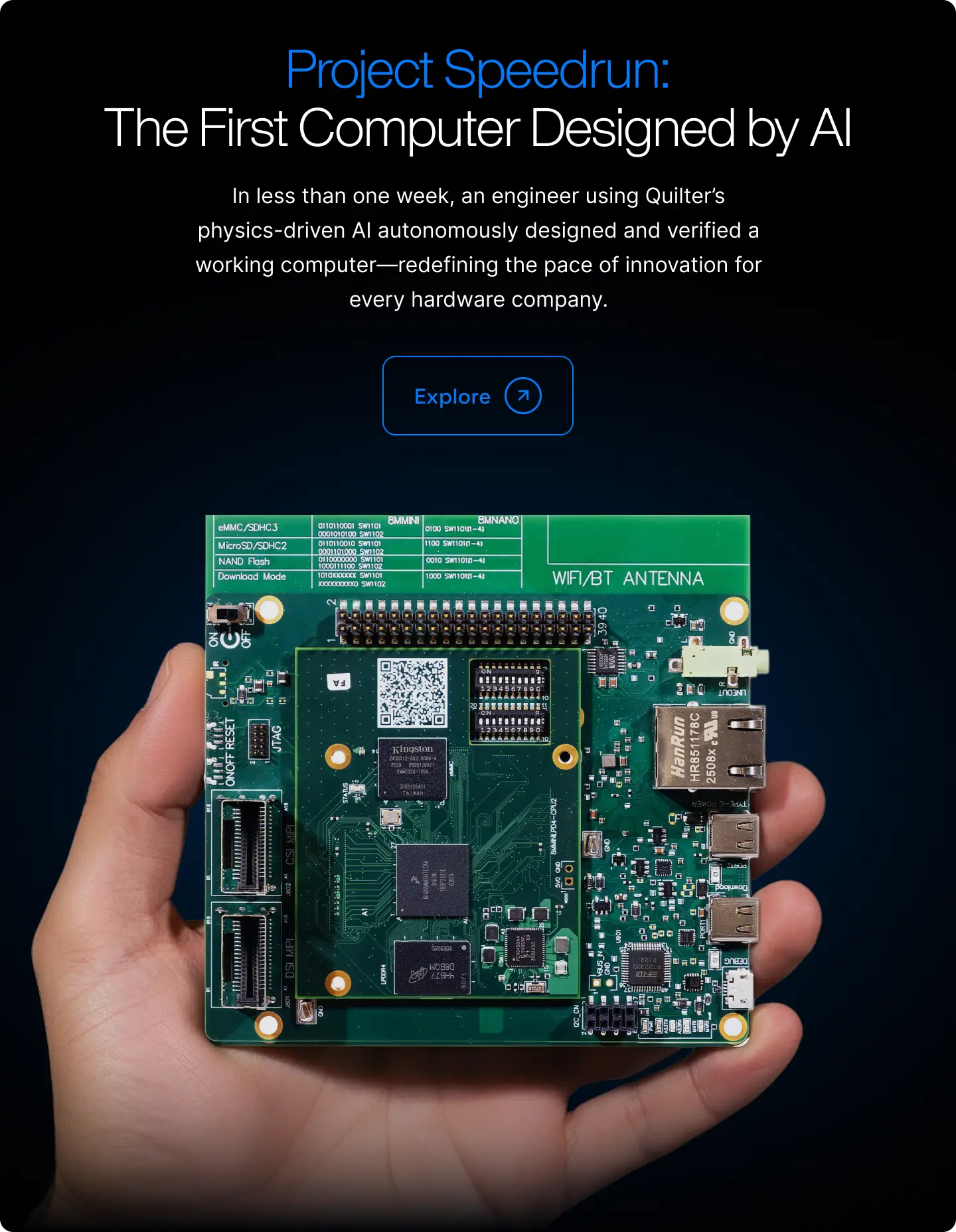
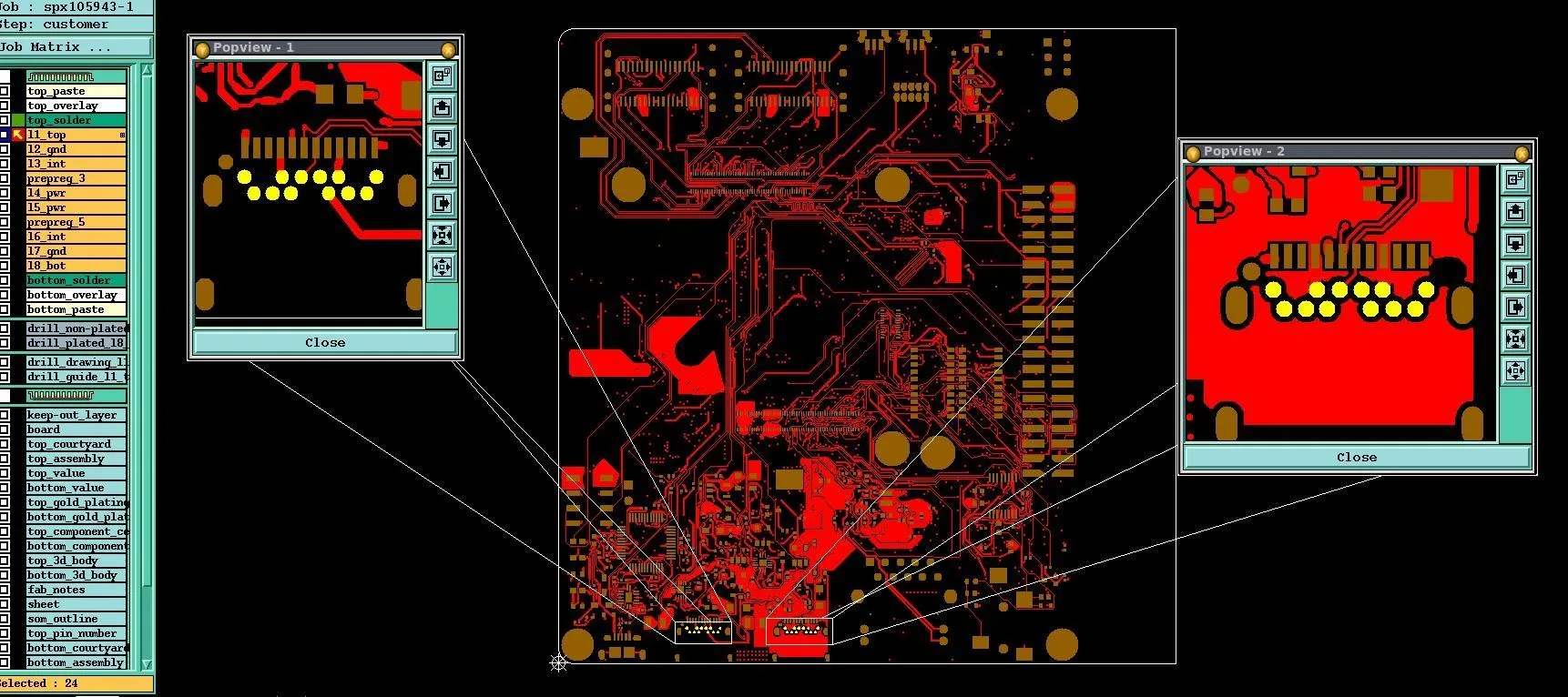
This article is one part of a walkthrough detailing how we recreated an NXP i.MX 8M Mini–based computer using Quilter’s physics-driven layout automation.
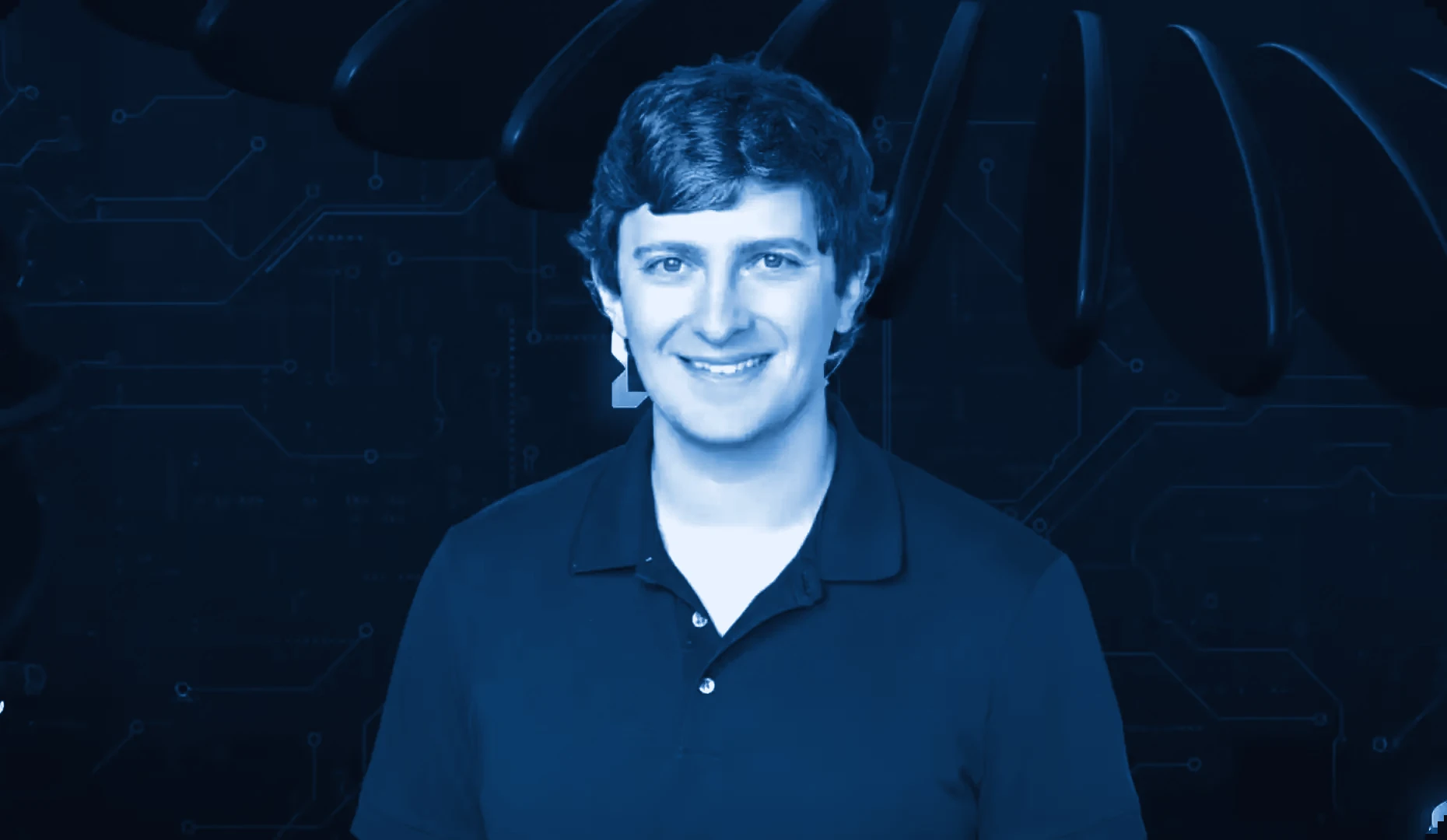
For Ben Jordan, joining Quilter was both humbling and exhilarating. “There are such talented people here already who are so highly qualified and exceptional at science and research that it’s very humbling to me to even be invited to the table,” he says. Yet his 21 years in the EDA industry, from electrical engineering and embedded systems to signal and power integrity, make him uniquely equipped to push PCB automation into new territory. His story is one of depth, persistence, and curiosity, values at the heart of Humans in the Loop, where we explore how Quilter builds not just cutting-edge tools, but a team that thrives on impossible challenges.
Origins
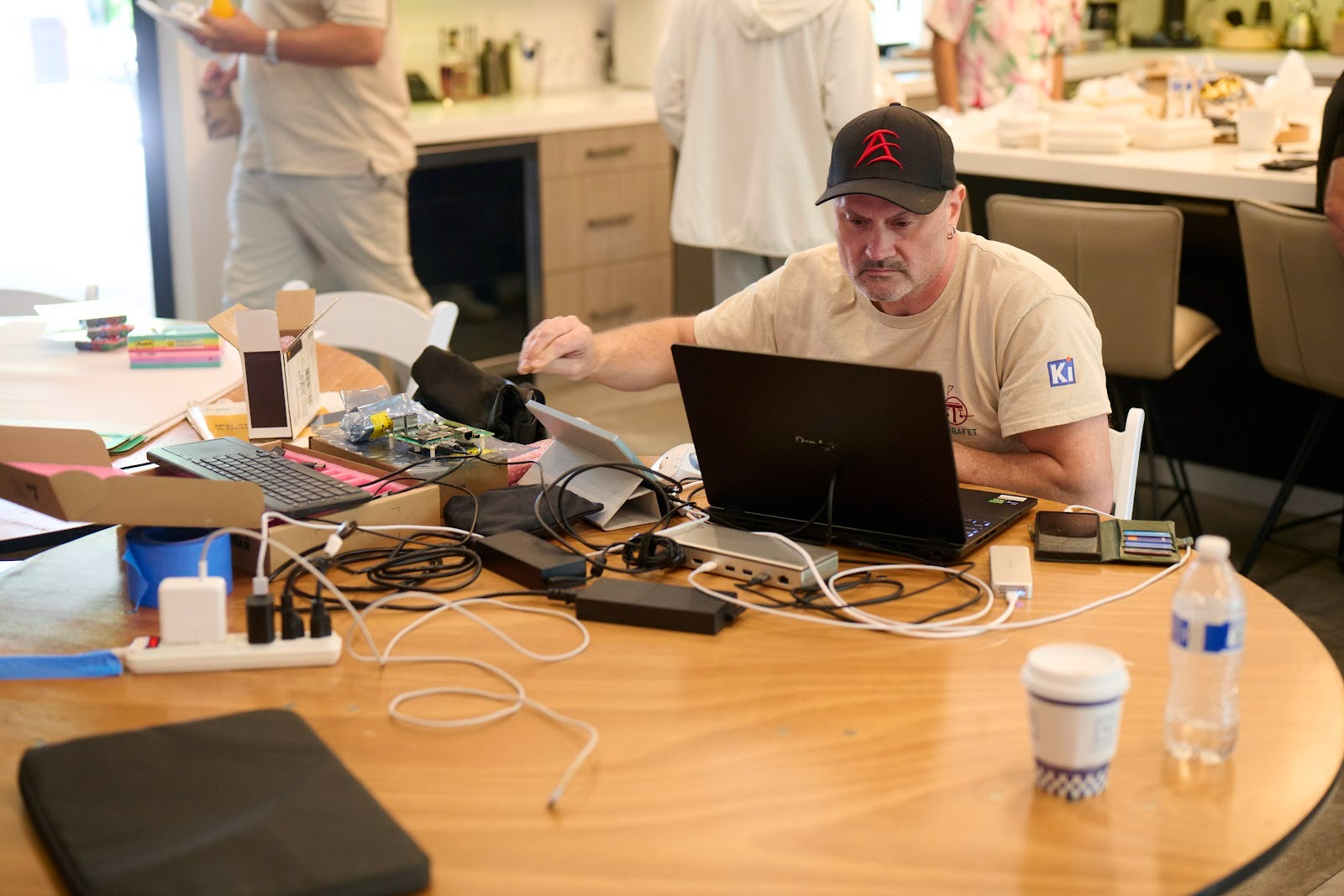
Ben’s journey began with a spark—literally. “When I was eight years old my older brother, who was an electronics technician, bought me my first soldering iron and a couple of electronic kits,” he recalls. “The first time I saw an LED light up, I was hooked.” Growing up in Australia, he learned through experimentation, sometimes painfully. “I burned my foot and shocked myself a few times with 240V because the outlets in Australia are 240,” he laughs.
His early tinkering mirrored a practical spirit: “I like to think I’m like an Australian Benjamin Franklin—but that’s a very arrogant thing to say,” he admits with a grin. He struggled with concentration in school, taking “ten years to get a four-year degree,” but his curiosity kept him moving forward. “All the while I was designing my own boards,” he says, finding both purpose and discipline through hands-on problem solving.
Journeys in Engineering
Ben’s career began at Altium in Sydney in 2004. “I joined as an applications engineer and was mostly focused at that time on their FPGA design capabilities,” he explains. When Altium shifted its focus, so did he, leaning into PCB design, where he became an advanced interconnect designer and later a product manager. “I bring electrical engineering and embedded systems knowledge and digital systems design experience with the industry’s best PCB design and fabrication knowledge for getting designs right the first time.”
Through two decades in EDA, Ben watched the field evolve. “The idea of using neural nets and reinforcement learning to do PCB layout has been around for a long time,” he says. “But only recently have we had so much compute available at such a low cost that we can actually train on proper data sets.” His mix of engineering rigor and deep empathy for design pain points positioned him to help bridge the gap between human intuition and automated intelligence.
Why Quilter
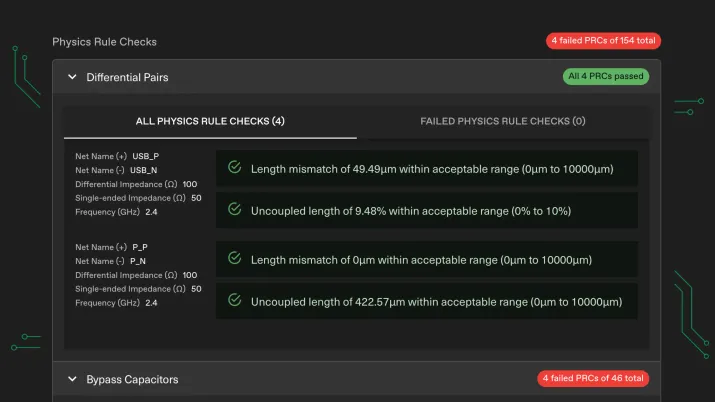
“When I watched a podcast with Sergiy saying the difference is we’re not just using regular routing algorithms and trying to make them better—we’re actually putting physics in the loop—I knew I wanted to be part of that,” Ben says. His work now centers on integrating simulation into the AI training process: “We run analysis and improve the model by running analysis on its results. That’s critically important for training because even humans constantly make mistakes.”
He lights up when describing progress: “Just in the last few weeks alone I’ve seen major improvements in our routing engine.” From bypass capacitor placement to automated trace thickening, he’s helping solve what he calls “the long-term issues that designers have had that just take up time.” For Ben, Quilter represents both the culmination and renewal of his career: “I could see that AI and automation should have a long time ago already been making PCB routing faster and easier. Now is the time to really jump into this.”
Beyond the Workbench
When Ben isn’t debugging or modeling signal paths, he’s making music. “I’m from a very musical family,” he says. “I love to sing and play guitar.” Recently married, he performed at his own wedding: “As my wife was coming down the aisle, we performed for her. It was really cool.”
He still has boxes of unfinished electronics projects on his shelves—“waiting for me to have time to get to them”—but finds joy in both creation and connection.
And if he could share one perfect meal? “It would be a three or four-course Indian feast with my family. I’d love to fly them all to India to do it.”
A Line to Remember
“You can’t prove something doesn’t exist,” Ben says, smiling at the paradox. It’s a fitting mantra for someone who’s spent his life probing what could exist—whether in circuits, code, or the evolving language of design automation.
Closing Note
Ben’s story embodies the spirit of Humans in the Loop: grounded expertise, restless curiosity, and an unshakable belief that progress comes from questioning what’s “always been done.”


.webp)